Round, square, hexagonal, flat and angle titanium bars — ASTM B348 compliant starting stock for CNC machining, fastener blanks and structural components. Stock supply and custom processing coordinated to your specification.
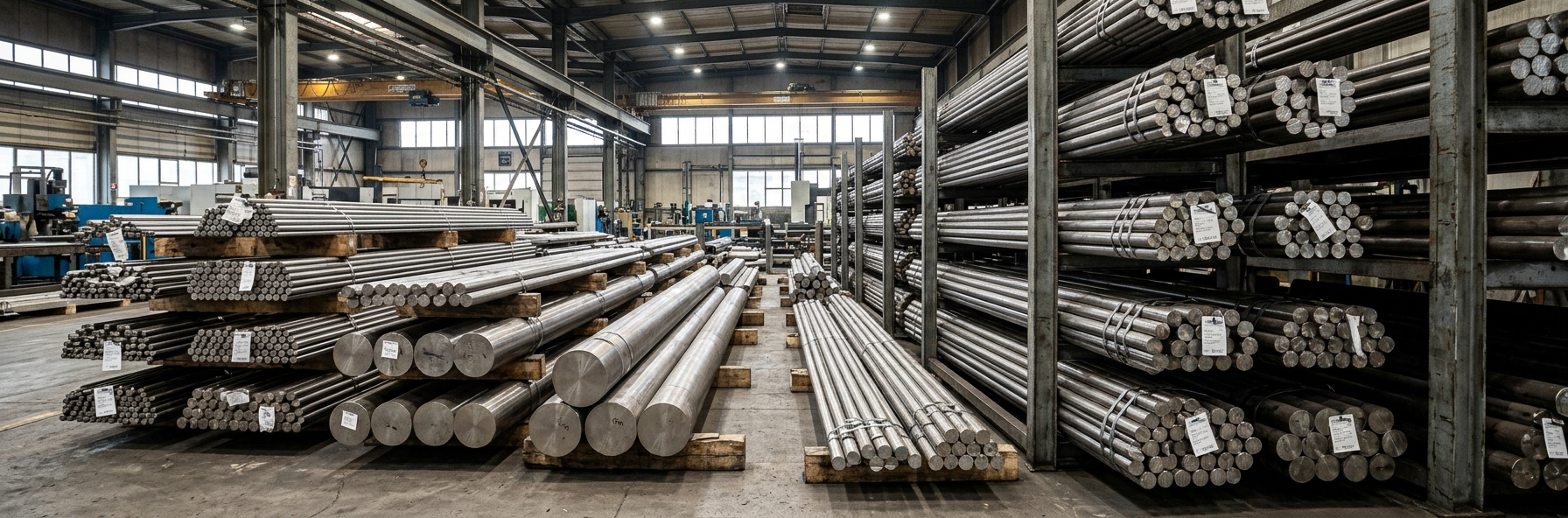
Cylindrical bar — the most common form for turning, threading, milling and general CNC machining stock.

Square cross-section bar — useful as-is or as starting stock for hexagonal machining and custom profiles.
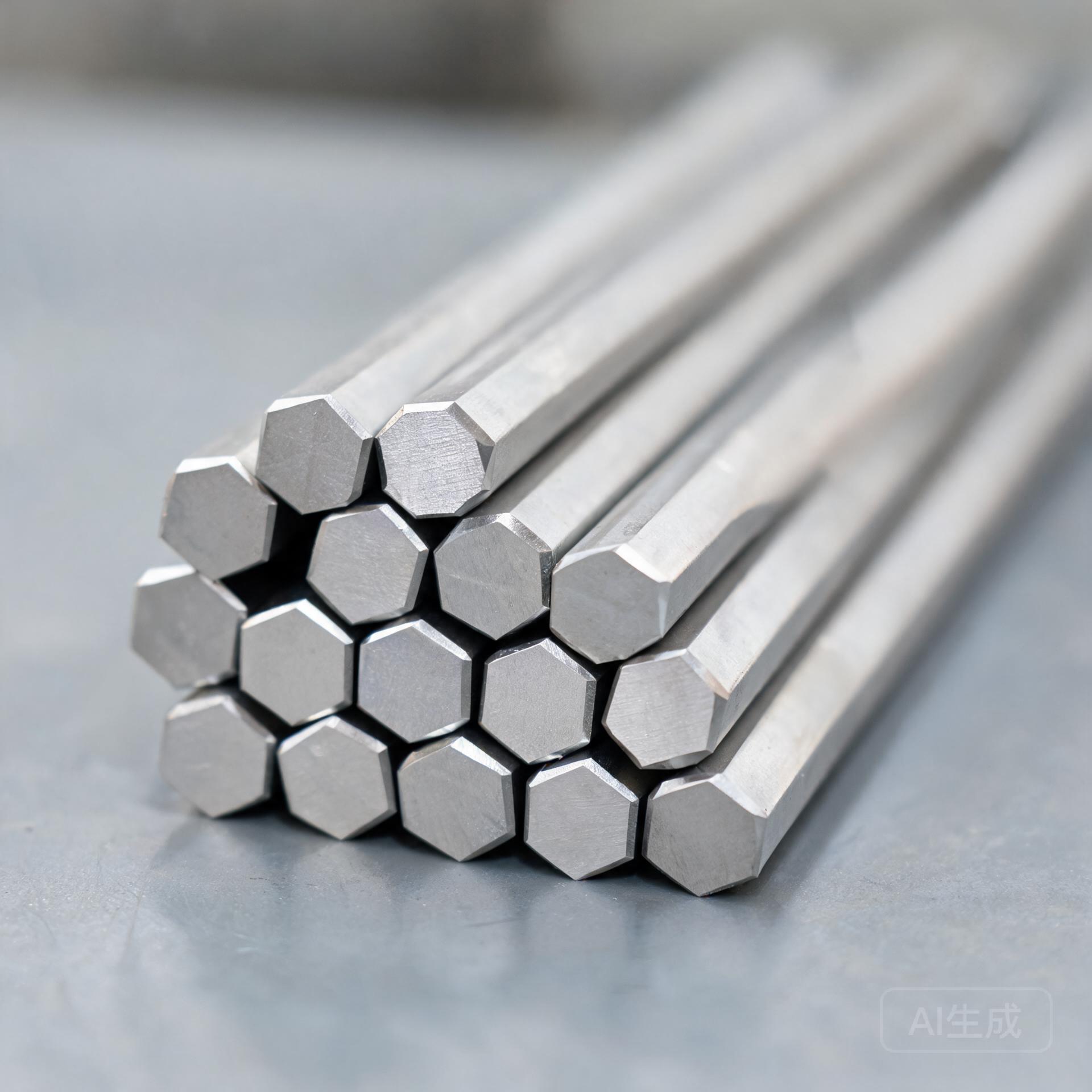
Six-sided bar for the production of hex bolts, nuts, fittings and socket-head fastener blanks.
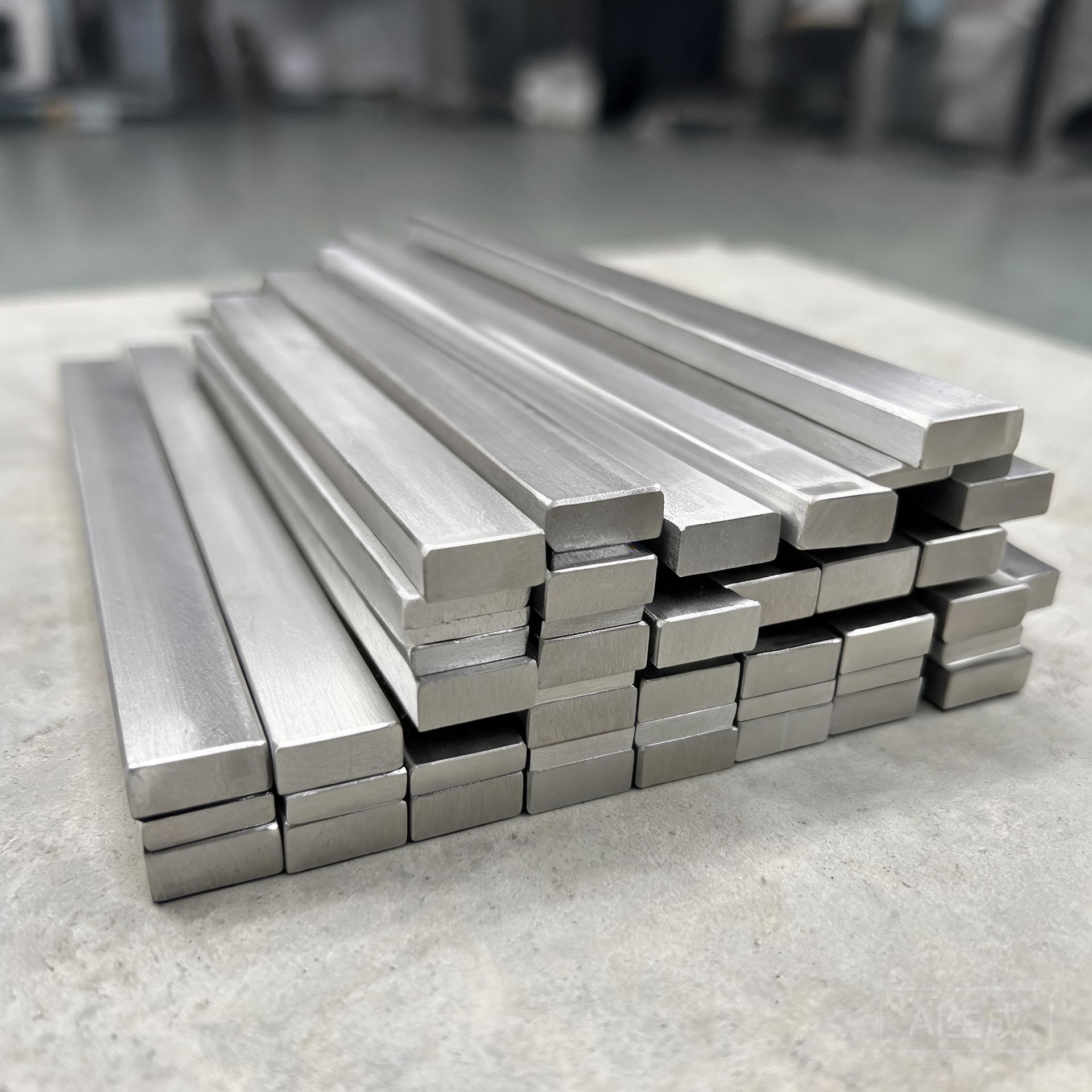
Rectangular cross-section bar for brackets, plates, key stock and structural support applications.
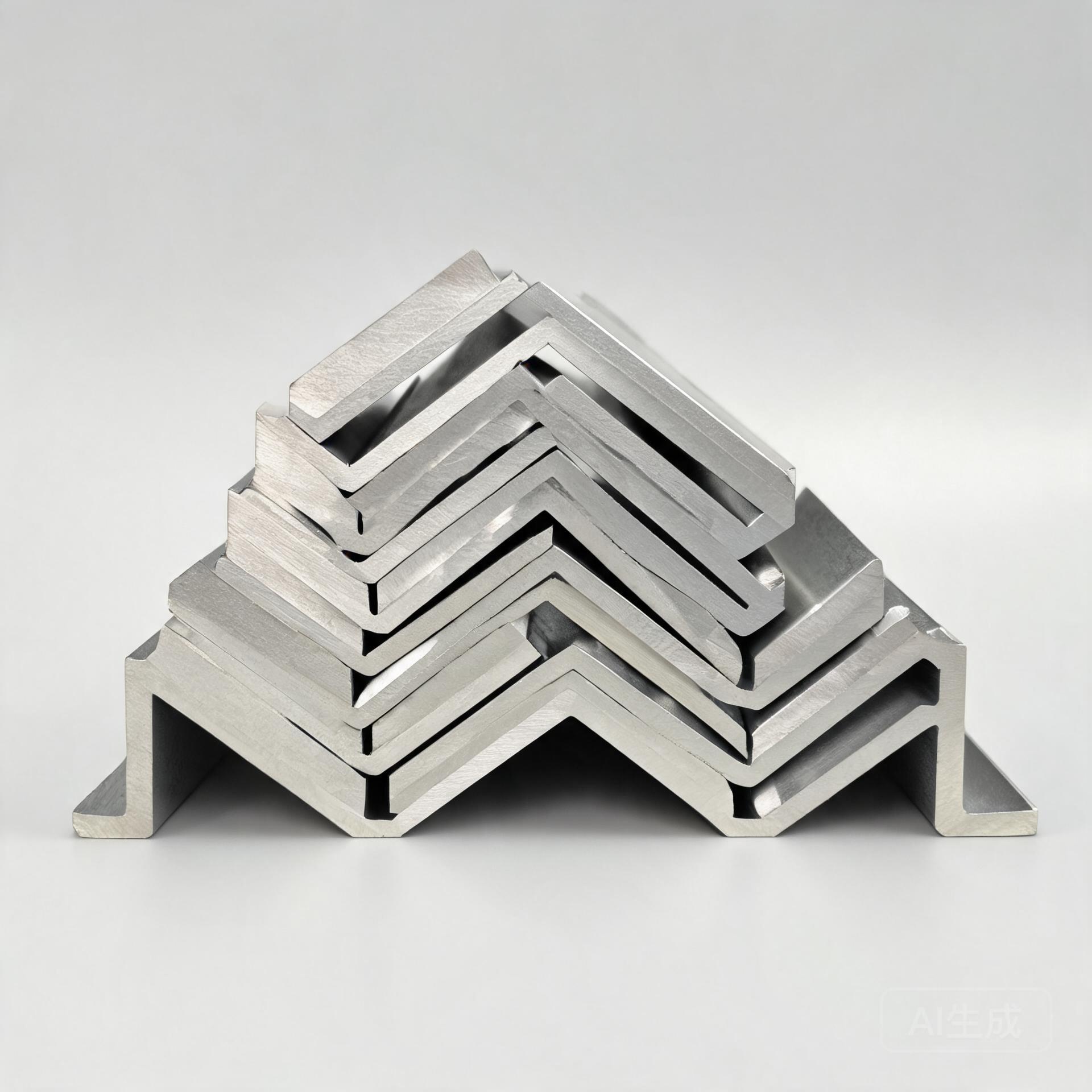
L-shaped equal-leg or unequal-leg angle for structural frames, supports and welded assemblies.
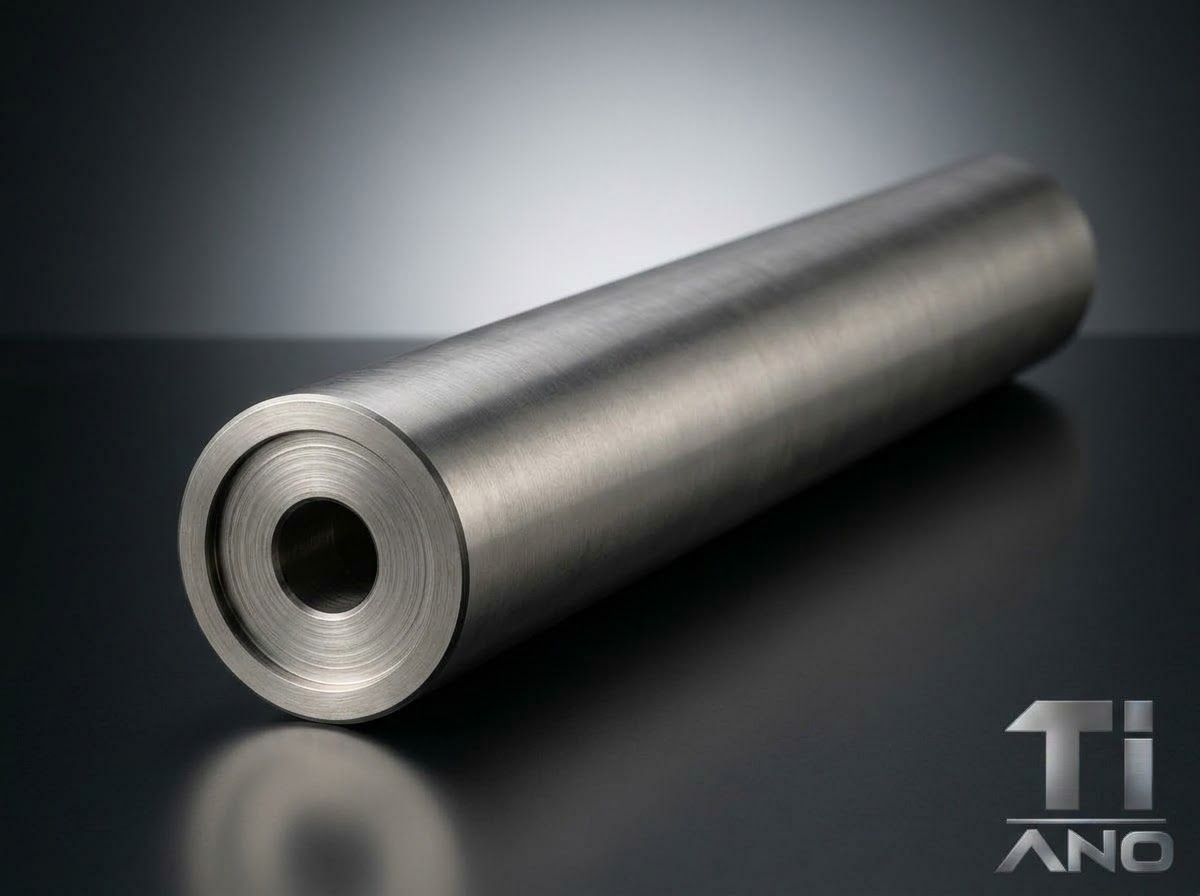
Hollow cylindrical bar stock — seamless or welded tubes cut to length for shafting, structural members and counterweighted components.
Titanium bars and rods are long straight semi-finished forms produced primarily by hot rolling or forging titanium billets, with optional secondary cold drawing or centerless grinding to achieve tighter dimensional tolerances and smoother surface finishes. They are among the most versatile titanium products — machined into shafts, bolts, valve stems, agitators, fasteners and thousands of other industrial components.
Feinuotai supplies titanium bars across multiple cross-sectional profiles and commercially pure as well as alloyed grades. Lengths can be supplied as random mill lengths or cut to customer-specified dimensions, with packaging arranged to protect surfaces during transit. Grade, dimensions, tolerances and documentation are confirmed per inquiry against product specification and intended application.
Industries that commonly source titanium bars and rods.
Primary feedstock for turned, milled and drilled titanium components across all industrial sectors.
Round and hexagonal bar as blanks for bolts, screws, stud bolts and socket fasteners.
Corrosion-resistant shafts, agitators and valve components for chemical and industrial process applications.
Structural frames, support members and general machined components where titanium's properties are required.
ASTM B348 / B348M specifies technical requirements for annealed titanium and titanium alloy bars and billets — including chemical composition, mechanical properties, dimensions and tolerances. Data below follows ASTM B348 Table 1 (Composition) and Table 2 (Mechanical Properties) for annealed product with cross-sections up to 3 in. (76 mm).
| Grade | UNS | Material |
|---|---|---|
| Grade 1 | R50250 | Commercially pure titanium (CP Ti) |
| Grade 2 | R50400 | Commercially pure titanium |
| Grade 3 | R50550 | Commercially pure titanium |
| Grade 4 | R50700 | Commercially pure titanium |
| Grade 5 | R56400 | Ti-6Al-4V (6% aluminum, 4% vanadium) |
| Grade 7 | R52400 | CP Ti + 0.12–0.25% palladium |
| Grade 9 | R56320 | Ti-3Al-2.5V (3% aluminum, 2.5% vanadium) |
| Grade 11 | R52250 | CP Ti + 0.12–0.25% palladium (lower interstitial) |
| Grade 12 | R53400 | Ti-0.3Mo-0.8Ni (0.3% molybdenum, 0.8% nickel) |
| Grade 16 | R52402 | CP Ti + 0.04–0.08% palladium |
| Grade 17 | R52252 | CP Ti + 0.04–0.08% palladium (lower interstitial) |
| Grade 23 | R56407 | Ti-6Al-4V ELI (extra low interstitial — medical / aerospace grade) |
Specialty Alloy Grades: Ti-15V-3Al-3Cr-3Sn (Ti-15333), Ti-6Al-2Sn-4Zr-2Mo (Ti-6242), Ti-13Nb-13Zr, and other specialty formulations — availability and product form applicability reviewed per inquiry. Grade 23 (Ti-6Al-4V ELI) has tighter interstitial limits and different mechanical properties than standard Grade 5; always specify the exact grade when inquiring.
Simplified summary of major alloying elements and critical impurities (Fe, C, O, N, H). Full composition for all 38 grades in ASTM B348 / B348M. Ti = balance.
| Grade | C max | O max | N max | H max | Fe max | Al | V | Pd | Mo | Ni |
|---|---|---|---|---|---|---|---|---|---|---|
| 1 | 0.08 | 0.18 | 0.03 | 0.015 | 0.20 | — | — | — | — | — |
| 2 | 0.08 | 0.25 | 0.03 | 0.015 | 0.30 | — | — | — | — | — |
| 3 | 0.08 | 0.35 | 0.05 | 0.015 | 0.30 | — | — | — | — | — |
| 4 | 0.08 | 0.40 | 0.05 | 0.015 | 0.50 | — | — | — | — | — |
| 5 | 0.08 | 0.20 | 0.05 | 0.015 | 0.40 | 5.5–6.75 | 3.5–4.5 | — | — | — |
| 7 | 0.08 | 0.25 | 0.03 | 0.015 | 0.30 | — | — | 0.12–0.25 | — | — |
| 9 | 0.08 | 0.15 | 0.03 | 0.015 | 0.25 | 2.5–3.5 | 2.0–3.0 | — | — | — |
| 11 | 0.08 | 0.18 | 0.03 | 0.015 | 0.20 | — | — | 0.12–0.25 | — | — |
| 12 | 0.08 | 0.25 | 0.03 | 0.015 | 0.30 | — | — | — | 0.2–0.4 | 0.6–0.9 |
| 16 | 0.08 | 0.25 | 0.03 | 0.015 | 0.30 | — | — | 0.04–0.08 | — | — |
| 17 | 0.08 | 0.18 | 0.03 | 0.015 | 0.20 | — | — | 0.04–0.08 | — | — |
| 23 | 0.08 | 0.13 | 0.03 | 0.0125 | 0.25 | 5.5–6.5 | 3.5–4.5 | — | — | — |
Minimum values at room temperature. Properties apply to longitudinal sections up to 3 in. (76 mm). Larger sections — negotiate between manufacturer and purchaser. Cold-drawn bars (F + CR conditions) typically exhibit higher strength than annealed equivalents.
| Grade | UTS min (MPa) | 0.2% Yield min (MPa) | Elongation min (%) | Reduction of Area min (%) |
|---|---|---|---|---|
| 1 | 240 | 138 | 24 | 30 |
| 2 | 345 | 275 | 20 | 30 |
| 3 | 450 | 380 | 18 | 30 |
| 4 | 550 | 483 | 15 | 25 |
| 5 | 895 | 828 | 10 | 25 |
| 7 | 345 | 275 | 20 | 30 |
| 9 | 620 | 483 | 15 | 25 |
| 11 | 240 | 138 | 24 | 30 |
| 12 | 483 | 345 | 18 | 25 |
| 16 | 345 | 275 | 20 | 30 |
| 17 | 240 | 138 | 24 | 30 |
| 23 | 828 | 759 | 10 | 15 |
Values are typical for annealed material at room temperature. They are provided for design reference and are not test requirements of ASTM B348. Actual values may vary slightly by heat lot and processing history.
| Property | CP Ti (Grades 1–4) | Grade 5 / 23 (Ti-6Al-4V) | Grade 9 (Ti-3Al-2.5V) | Grade 12 (Ti-0.3Mo-0.8Ni) |
|---|---|---|---|---|
| Modulus of Elasticity (GPa) | ~114 | ~110 | ~113 | ~107 |
| Thermal Conductivity (W/m·K) | ~21 | ~7.2 | ~16 | ~19 |
| Coefficient of Thermal Expansion (20–100 °C, 10⁻⁶/°C) | ~8.6 | ~9.2 | ~9.0 | ~9.4 |
| Melting Range (°C, approx.) | 1660–1680 | 1648–1660 | 1650–1670 | 1660–1680 |
| Grade Group | Density (g/cm³) |
|---|---|
| CP Ti (Grades 1, 2, 3, 4, 7, 11, 16, 17) | ~4.51 |
| Grade 5 / Grade 23 (Ti-6Al-4V) | ~4.43 |
| Grade 9 (Ti-3Al-2.5V) | ~4.48 |
| Grade 12 (Ti-0.3Mo-0.8Ni) | ~4.53 |
Typical reference values. Not mandatory requirements specified by ASTM B348. Actual density may vary by heat lot within approximately ±0.02 g/cm³.
Titanium bar supply is one of Feinuotai's core product lines — we maintain broad grade availability and coordinate directly with mill production for non-stock requirements.
Grade 1 · Grade 2 · Grade 4 · Grade 5 · Grade 7 · Grade 9 · Grade 12 · Grade 23
Stock availability varies by bar form (round, square, hex, flat, angle), cross-section size, length and quantity. Round bar has the widest mill and stock coverage; flat, hex and square bar are typically mill-coordinated to order.
Grade 3 · Grade 11 · Grade 16 · Grade 17 · Specialty alloys per request
Subject to material availability, order quantity and processing arrangement. Minimum order quantities apply — please specify grade and dimensions when inquiring.
Beyond standard stock bars, Feinuotai supports custom bar requirements — including custom diameters, custom lengths, precision machining, drawing-based specifications and customer-specified tolerances.
Non-standard round bar diameters, square bar sizes, hex across-flats, flat bar thickness × width and angle bar leg dimensions reviewed against mill feasibility.
Bars cut to customer-specified lengths with tolerances, end preparation and packaging arranged per order. Random mill lengths also available.
Precision diameter tolerances — including H7 and H8 requirements — can be reviewed according to specified diameter, length, machining process and inspection requirements. H7/H8 represent customer-requested tolerance classes; feasibility depends on grade, diameter, length and processing route. H8 is achievable on smaller diameters through centerless grinding. H7 requires secondary machining or grinding — confirm feasibility per inquiry.
CNC turning, threading, milling and machining from bar stock to your drawing. See Custom Machined Parts for full fabrication details.
Precision tolerance requirements, including ISO 286 H7 and H8 classes, can be evaluated upon request. Feasibility depends on material grade, diameter, length, manufacturing process and inspection requirements.
Five primary bar cross-sectional profiles. Exact dimensions depend on grade, product form, order quantity and mill production capacity.
| Product Form | Typical Range | Supply Mode | Notes |
|---|---|---|---|
| Titanium Round Bars | Diameter ~5 mm – 400 mm+ | Stock & custom | Most common form — widest mill and stock coverage. Produced by hot rolling, forging or cold drawing. |
| Titanium Square Bars | Side ~10 mm – 150 mm+ | Custom, some stock | Square cross-section, produced by rolling or machined from round bar. |
| Titanium Hexagonal Bars | Across-flats ~10 mm – 100 mm+ | Custom | Hex form for fastener blanks — commonly machined from round or square stock. |
| Titanium Flat Bars | Thickness ~3–80 mm × Width ~20–200 mm | Stock & custom | Rectangular section for key stock, brackets and structural members. |
| Titanium Angle Bars | Leg ~20–100 mm | Custom | L-shaped equal-leg or unequal-leg profiles for structural applications. |
Availability Note: Ranges above indicate typical industry scope and Feinuotai coordination capability. They do not guarantee stock availability in every grade at every dimension. Please confirm stock before specifying in drawings or purchase orders.
Large-Diameter Round Bars: For diameters over ~75 mm, production is typically coordinated through forging routes followed by turning/grinding. Delivery lead time and minimum order quantities differ from smaller rolled bar.
Beyond ASTM B348, the following standards are commonly referenced for titanium bars and billets in specific industries.
Primary bar & billet specification
Grades: 1–4, 5, 7, 9, 11, 12, 16, 17, 23 (and H-variants)
Form: Titanium bars (round, square, flat, hex, angle) and billets.
The base specification for the majority of our bar supply.
Aerospace — Ti-6Al-4V bar
Grade: Ti-6Al-4V (Grade 5 equivalent)
Form: Aerospace-quality bar and billet.
Aerospace-grade specification for titanium 6Al-4V bar products with enhanced inspection and documentation requirements.
Aerospace — Ti-6Al-4V bar (high-strength)
Grade: Ti-6Al-4V (Grade 5, solution treated and aged)
Form: Bar and billet.
Aerospace specification for Ti-6Al-4V bar in solution treated and aged condition for high-strength applications.
Medical — Ti-6Al-4V ELI
Grade: Ti-6Al-4V ELI (Grade 23 equivalent)
Form: Various product forms for surgical implants.
Specification for Ti-6Al-4V ELI for orthopedic, spinal, trauma and dental device manufacturing. Applies when Grade 23 bar is supplied for medical implant use.
Medical — Ti-6Al-4V ELI
Grade: Ti-6Al-4V ELI (Grade 23 equivalent)
Form: Surgical implant materials.
European standard covering Ti-6Al-4V ELI for surgical implants. Applicable to Grade 23 bar used in medical device manufacturing.
Subject to availability
Grades: Ti-15333, Ti-6242, Ti-13Nb-13Zr, Ti-6Al-7Nb, other specialty formulations.
By inquiry. Review grade, product form, standard and quantity. Not part of standard supply range.
Special specifications including AMS, ASTM F136 and ISO 5832-3 can be arranged upon request. Standard stock materials do not automatically comply with these specifications. Please specify the required standard, product form, inspection and documentation requirements when inquiring.
Important — Scope Clarification: Not all specifications apply to every titanium bar. ASTM B348 is the default bar specification. Each standard covers specific grades, product forms and industry use cases — confirmation of scope and supply feasibility is required per inquiry.
Certain large-diameter titanium alloy bars may be subject to China's dual-use export controls depending on material properties, form, specifications, end user and end use. Feinuotai can support the required compliance documentation and export licensing coordination.
Screening reference: China's Export Control List Entry 1C202.b regulates titanium alloys when both conditions are met:
Both conditions must be satisfied. CP titanium grades and Ti-3Al-2.5V (Grade 9) do not meet the strength threshold under standard conditions. Grade 5 (Ti-6Al-4V) and other higher-strength alloys may qualify — each product is evaluated on grade, form, dimensions, destination and end use.
Please contact us before placing an order for products that may fall within controlled categories.
Discuss Dual-Use Export RequirementsExport license approval is determined by the competent authority. Feinuotai provides documentation and coordination support but does not guarantee approval. No controlled product may be arranged for export without a valid license.
Documentation, inspection and traceability matters to consider when procuring titanium bars.
Mill test certificates covering chemical analysis and mechanical properties can be supplied with your order. Certificate format and scope are confirmed per inquiry.
Independent third-party inspection (TPI) by recognized agencies can be arranged. TPI scope, agency and timing confirmed per project.
Heat numbers and material identification marked on titanium bars per ASTM B348 marking requirements. Traceability records maintained to support MTC documentation.
Commercial invoices, packing lists, certificates of origin and material test reports prepared and coordinated per order. Additional licensing documentation supported where applicable.
Grade 1, 2, 4, 5, 7, 9, 12 and 23 (Ti-6Al-4V ELI) are available from stock in standard round bar sizes. Square, hex, flat and angle bar are primarily mill-coordinated to order with some stock availability for common sizes. Grade 3, 11, 16, 17 and specialty alloys are supplied on inquiry subject to material availability.
Round, flat, square, hexagonal and angle profiles. Round bar is the most common form for CNC turning, threading and milling. Square, hexagonal and angle profiles reduce machining waste for parts whose final shape approximates the bar cross-section.
Yes. Random mill lengths or custom cut-to-length supply arranged per order. Length tolerances, end preparation and packaging requirements should be specified at the inquiry stage.
The licensing process involves five general stages — actual steps and timeline depend on your specific situation:
Step 1 — Order & Technical Confirmation. You provide: material grade, product form, dimensions, technical specifications, quantity and intended application. We confirm product technical requirements and procurement needs together.
Step 2 — Customer Documentation. You cooperate with end-user information, end-use statement, product technical specifications, contract or order documents and any additional documents required by the competent authority.
Step 3 — Export License Application. Feinuotai coordinates preparation and submission of dual-use export license application documentation, supplementing technical material, end-user and end-use information as required by the competent authority.
Step 4 — Regulatory Review. The competent authority conducts its review. License approval is determined by the competent authority — we do not predict or guarantee the result.
Step 5 — Commercial & Production Process. After any required license is obtained, we proceed with: commercial order confirmation, production coordination, quality and documentation preparation, packing and export shipment arrangements. No controlled product may be arranged for export without a valid license.
Timeline: The overall process may typically take approximately 30–90 days. This is a general reference range covering order confirmation, document preparation, license application and subsequent commercial/production arrangements. It is not an official regulatory approval timeline, not a fixed delivery time and not a guaranteed completion time. If the customer lacks prior dual-use procurement experience, documents need supplementation or the competent authority requires further review, the timeline may extend accordingly.
No. Diameter alone does not determine whether a titanium alloy product is controlled.
Two conditions must both be present under China's Export Control List Entry 1C202.b:
CP titanium (Grades 1–4, 7, 11, 16, 17) and Grade 9 (UTS ≤ 620 MPa) do not meet the strength threshold under standard conditions. Alloy grades such as Grade 5 (Ti-6Al-4V) and Grade 23 (Ti-6Al-4V ELI) may meet the strength threshold — diameter and product form must also be checked, and the final determination also depends on destination, end-user, end-use and other applicable regulations. Please contact us with grade, dimensions and specifications for preliminary screening.
Tell us your required grade, bar profile (round, square, hex, flat or angle), dimensions, length, quantity and applicable standard — we will respond with availability, lead time and a tailored quotation.
Helpful details: Material Grade (e.g., ASTM B348 Grade 5) · Bar Form · Diameter or cross-section · Length · Quantity · Standard & Certification Needs · Export destination (if international) · Application / End-Use
Send InquiryComplementary titanium products frequently sourced alongside bars and rods.
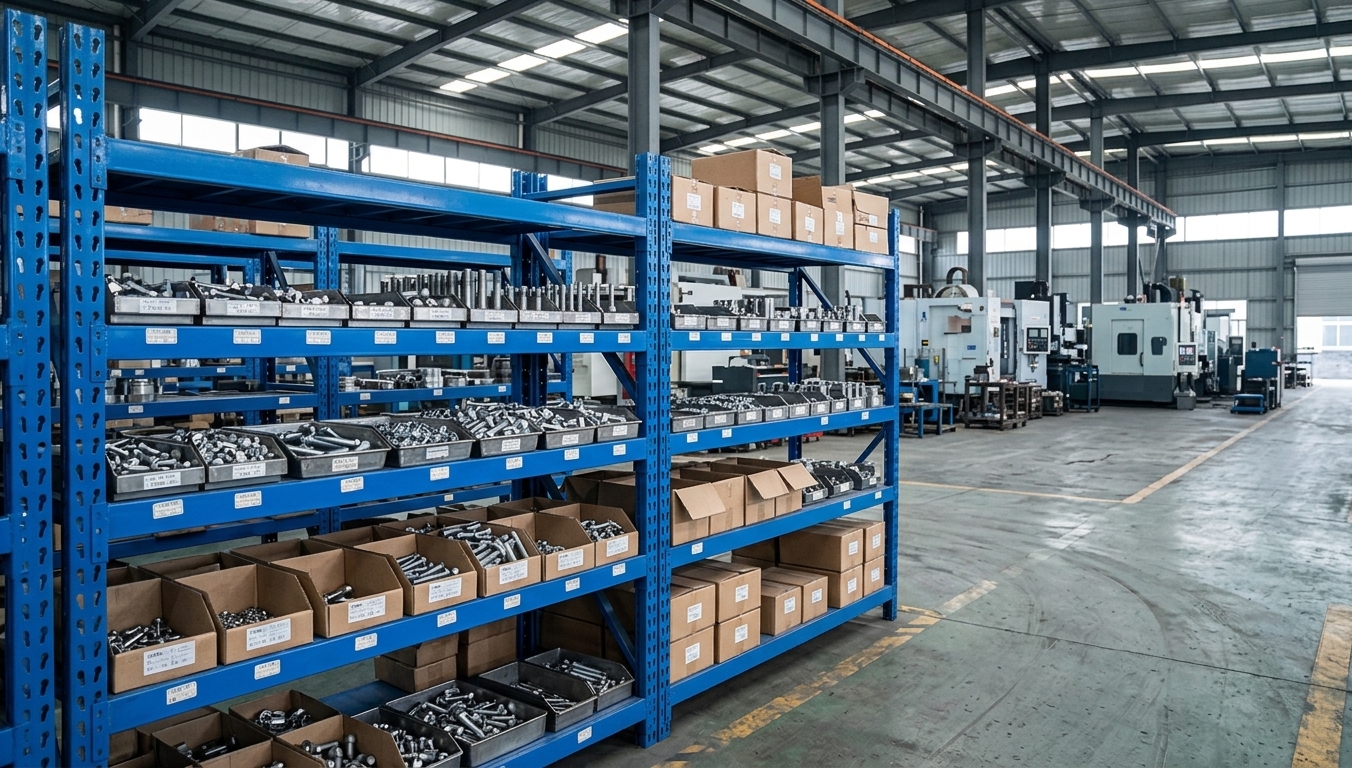
Finished titanium fasteners — round and hex bar are their primary starting stock.
Browse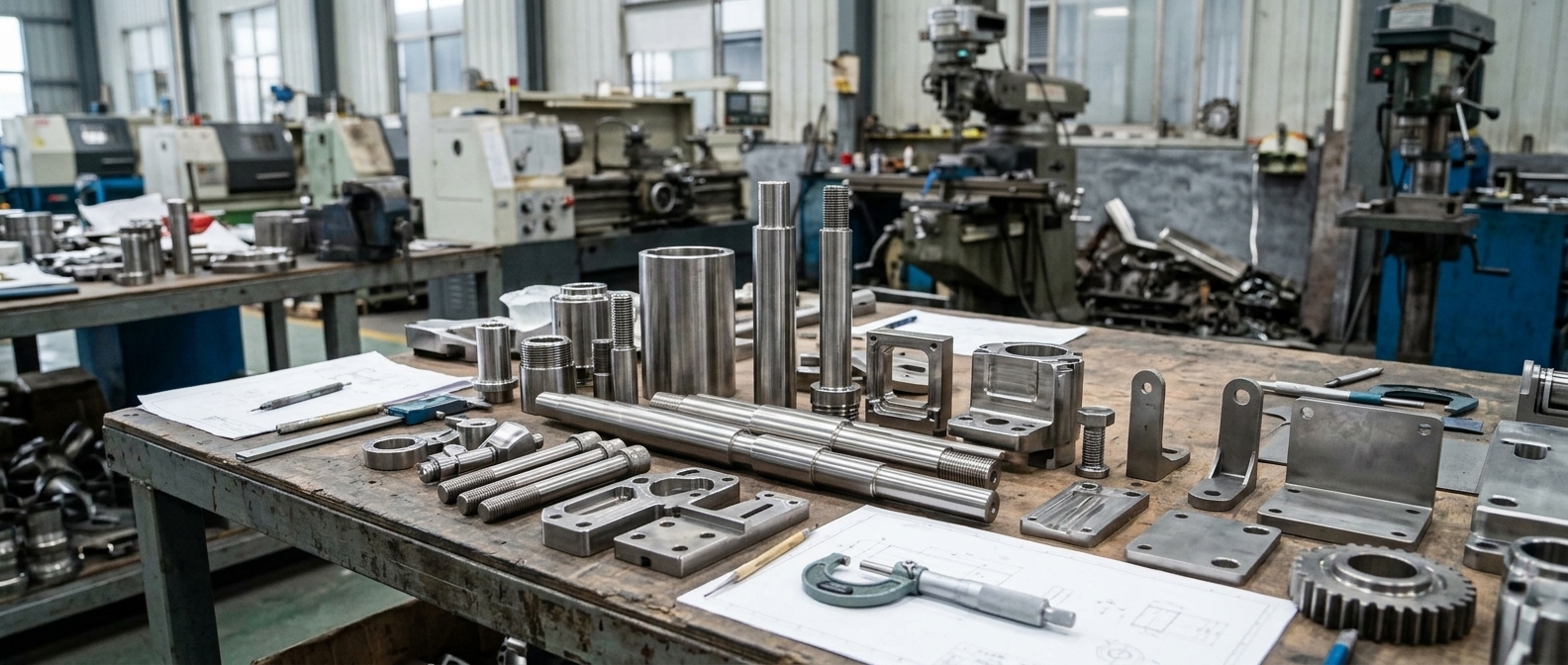
CNC components machined from bar stock to your drawing or specification.
Browse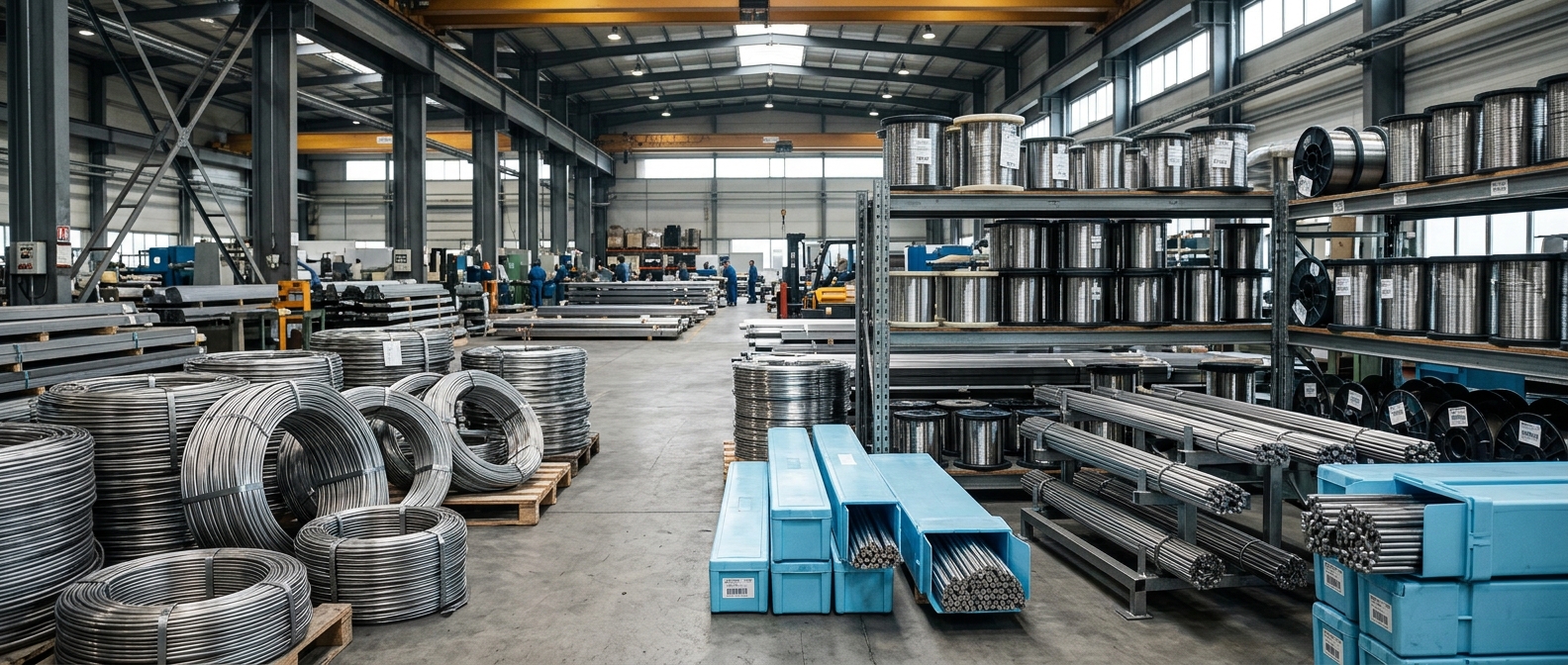
Drawn wire products — smaller diameters are produced from bar drawing routes.
Browse