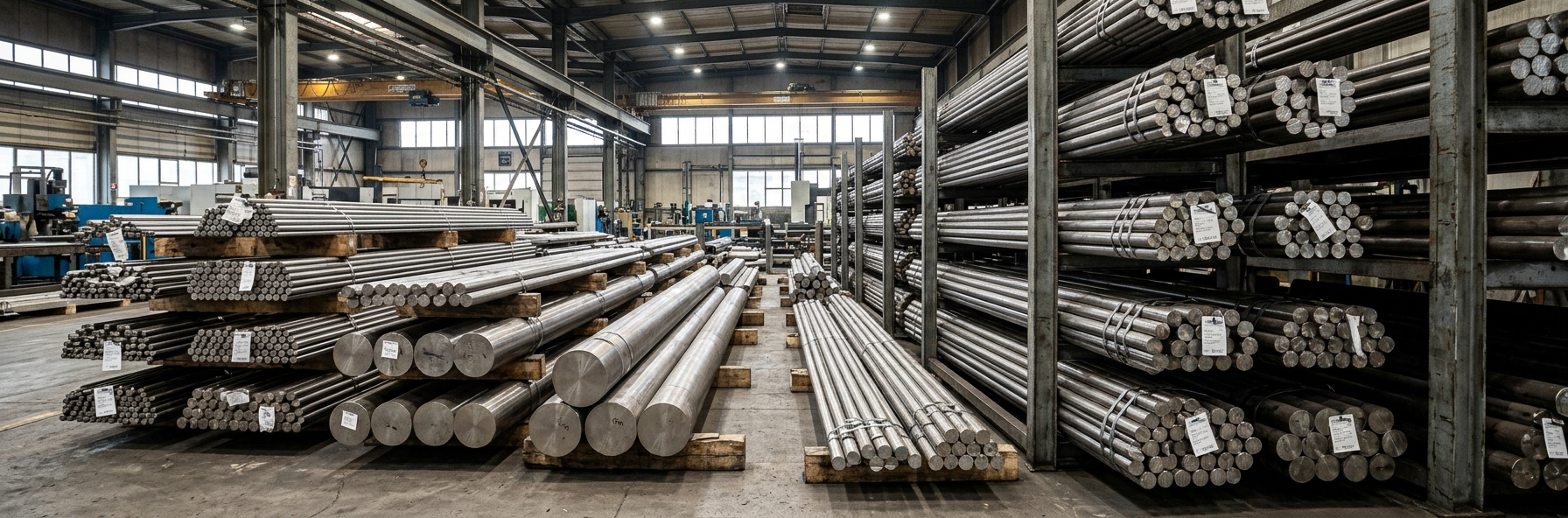
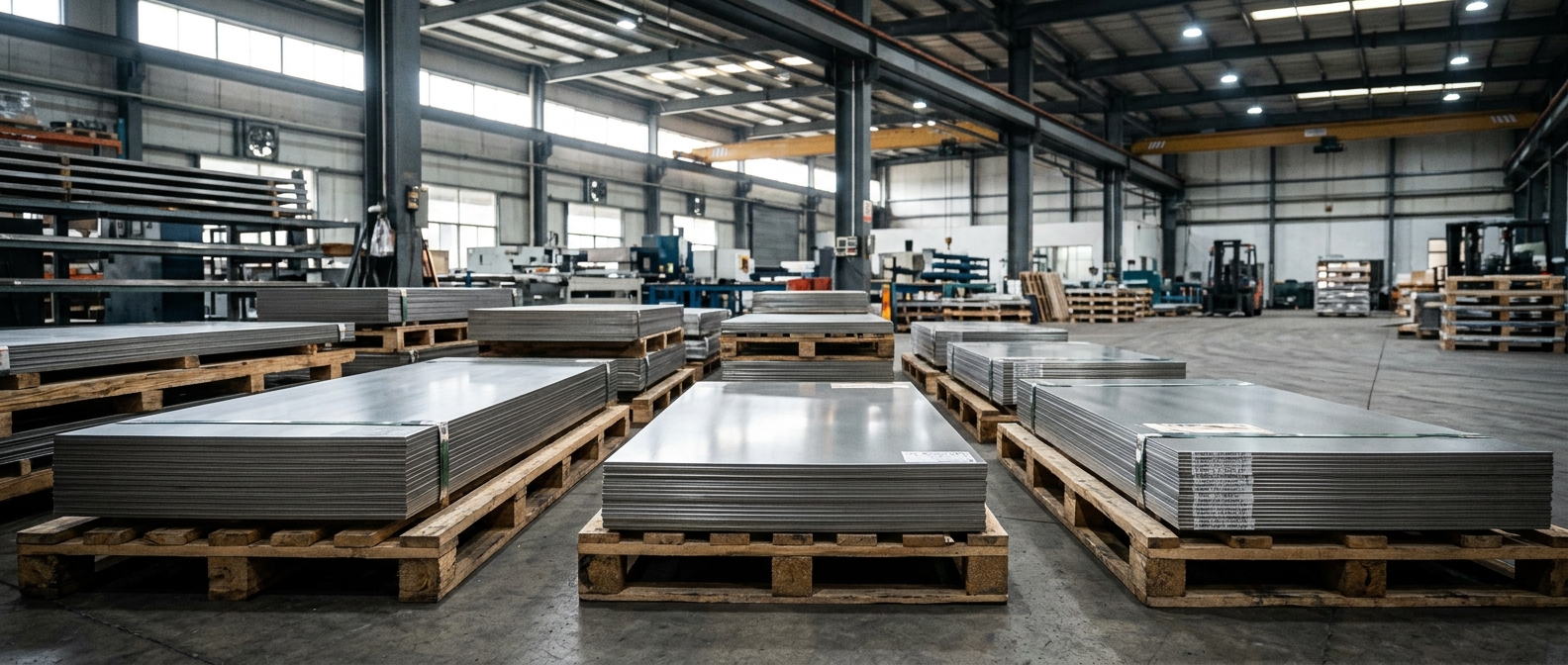
Titanium flat bars — rectangular cross-section bar stock wider than thick, for structural supports, machined components and welded assemblies.
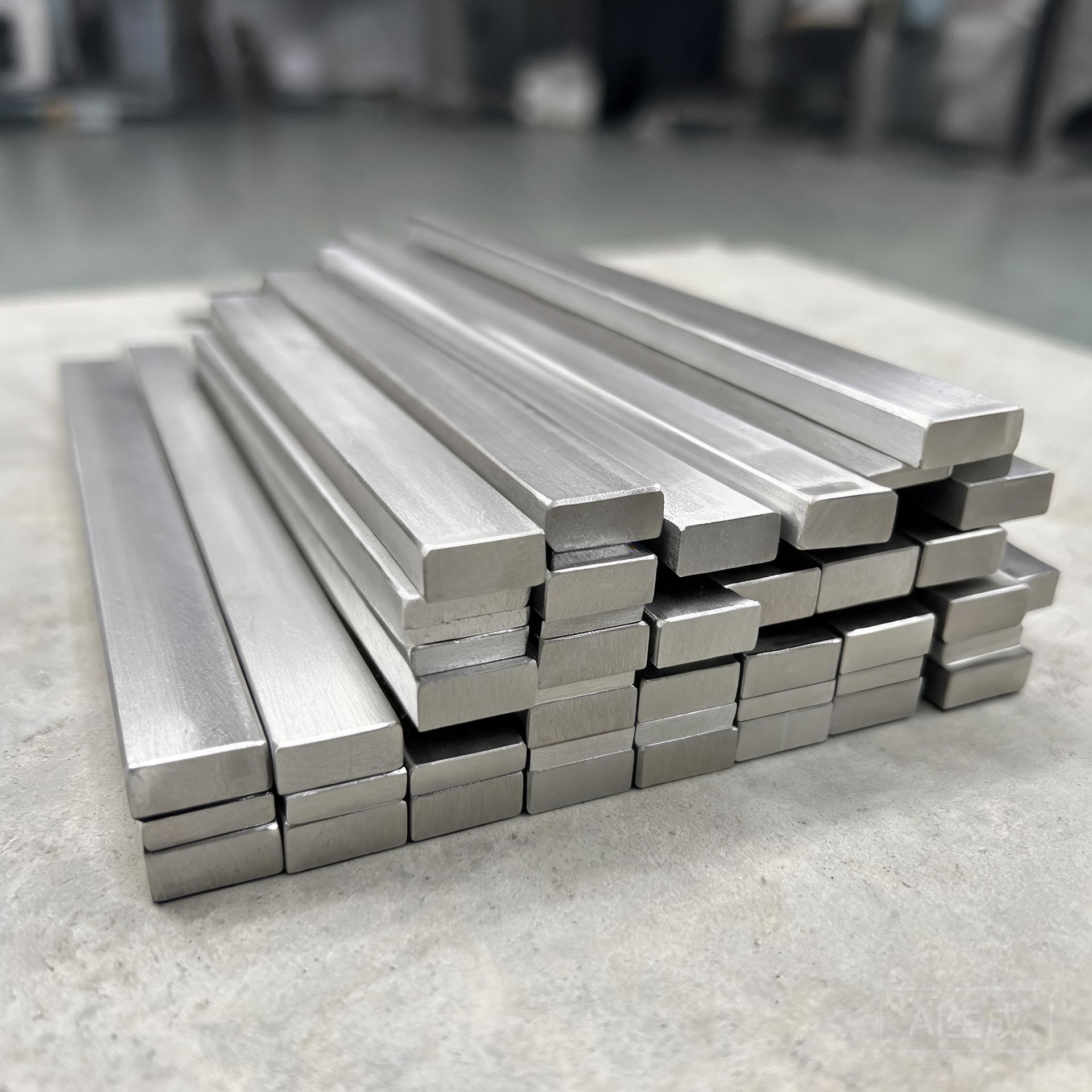
Titanium flat bars — rectangular cross-section bar stock wider than thick, for structural supports, machined components and welded assemblies.
Product Overview — Titanium flat bars are rectangular cross-section bar stock that is wider than it is thick — distinguishing them from thick plates (wider dimension is length/width, not bar profile). They are rolled or forged into flat rectangular profiles, and find use as structural supports, brackets, stiffeners, machined component blanks and welded assembly parts.
Long-form note for procurement: Flat bar vs plate — the boundary is practical rather than absolute: flat bar typically has a width-to-thickness ratio that is still manageable as a "bar" rather than a wide plate, and it is supplied cut to length. If your requirement is a wider sheet to be further cut, plate or sheet stock is the more appropriate starting material. When inquiring, please state thickness × width × length and grade — this lets Feinuotai confirm whether flat bar stock or plate stock is the better fit.
Grade 1, 2, 3, 4 (CP titanium), Grade 5 (Ti-6Al-4V), Grade 7, 9, 11, 12, 16, 17 and Grade 23 (Ti-6Al-4V ELI). Feasibility per thickness / width combination and grade evaluated per inquiry.
Regular flat bar stock is limited. Grades and thickness / width combinations held in regular stock are confirmed at inquiry time. Plate stock is more widely held and can be cut to flat bar form.
Some mills supply titanium flat bar against ASTM B348 / B348M or a mill-specific specification derived from round bar requirements. Standard applicability to your specific flat bar form, grade and thickness / width dimension is confirmed at inquiry time.
Scope note — ASTM B348's formal scope is titanium round bars and billets. It does not automatically cover flat bars. Where Feinuotai supplies flat bar under B348 alignment, the applicable tolerance and inspection provisions are confirmed together with the quote. If your requirement falls closer to plate or sheet form than bar form, ASTM B265 may be the applicable standard — we confirm this at inquiry time.
Processing route options: rolling to flat profile, forging + machining, or cutting from plate stock. The most economical route for your thickness × width combination and quantity is confirmed at inquiry time.
Brackets, stiffeners, frames and supports where flat rectangular bar is the appropriate form.
Flat bar sections for welded structural assemblies where corrosion resistance is required.
Starting stock for milled and CNC-machined components.
ASTM B348's formal scope is titanium round bars and billets. Some mills supply titanium flat bar against B348-aligned or mill-specific specifications. Standard applicability to your specific product form, grade and thickness × width dimension is confirmed at inquiry time.
The boundary is practical rather than absolute: flat bar is a rectangular bar profile supplied cut to length; plate is a wider sheet product. If your requirement is closer to a bar profile, use flat bar. If it is closer to a wide sheet to be further cut, plate stock is the more appropriate starting material.
Regular flat bar stock is limited. Plate stock is more widely held and can be cut to flat bar form. Please inquire with your thickness, width and grade and we will suggest the most economical supply route.
Tell us the thickness × width × length, grade, quantity and any standard or code requirements — we will confirm the supply route and provide a tailored quotation.
Helpful details: Thickness, Width, Length, Grade, Quantity, Standard
Send Inquiry