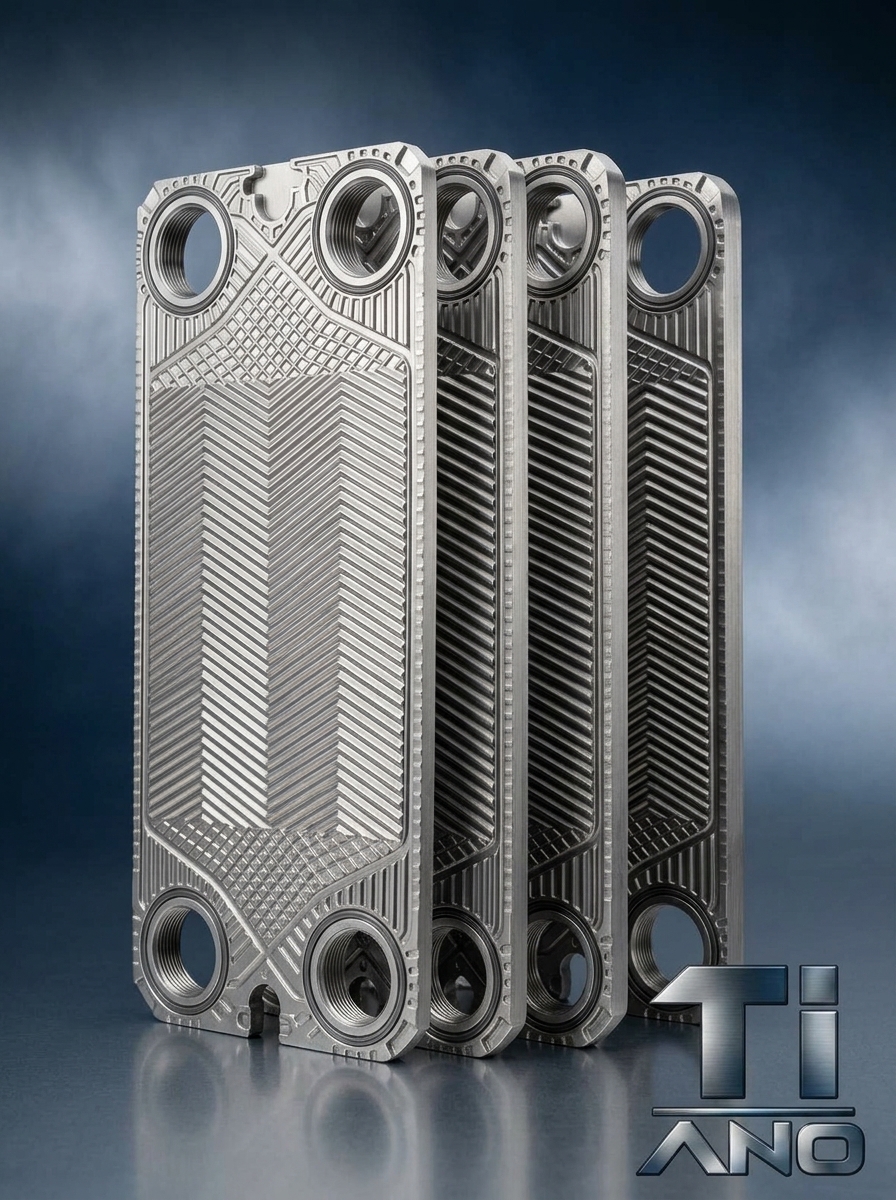
Pressed and corrugated titanium heat exchanger plates for plate-and-frame heat exchangers — chevron, herringbone or custom pattern per exchanger specification. Thickness, length, width and grade confirmed per order.
Product Overview — Titanium heat exchanger plates are pressed from titanium sheet stock into corrugated, chevron or herringbone patterns. The pattern creates controlled turbulence within the plate-and-frame heat exchanger channels, increasing heat transfer efficiency compared with flat sheet flow. Plate-and-frame exchangers are widely used where high heat transfer per unit volume, corrosion resistance and a compact footprint are all important.
Heat Exchanger Plate vs Tube Sheet — the difference: Titanium heat exchanger plates are pressed / corrugated sheet metal for plate-and-frame heat exchangers. They are not the same as titanium tube sheets — those are precision-drilled flat plates for shell-and-tube heat exchangers. The two product forms serve fundamentally different heat exchanger architectures and are not interchangeable.
Long-form note for procurement: In plate-and-frame heat exchanger procurement, the plate thickness, pattern, chevron angle and material grade are agreed between the heat exchanger manufacturer and the plate supplier before the plate pressing can begin. Standard patterns exist for common heat exchanger models — if your project follows a known heat exchanger brand and model, stating that in the inquiry helps confirm whether we can press to an existing pattern or need a custom-die arrangement.
Grade 1, 2, 4, 5 and other titanium grades matched to the service environment. Grade feasibility per plate size and pattern is evaluated per inquiry.
Titanium heat exchanger plates start as thin titanium sheet — see Titanium Plate & Sheet. Sheet thickness is typically 0.5 – 2.0 mm for standard-duty plates.
Titanium heat exchanger plates are pressed from titanium sheet stock that falls within the ASTM B265 / B265M scope for flat rolled titanium. Additional heat exchanger-specific codes or specifications may apply (pressure class, operating temperature, customer heat exchanger model) — these are agreed per order.
The pressing operation itself is not governed by ASTM B265; the relevant standard for pressed heat exchanger plates follows the heat exchanger design and pressure vessel code (TEMA, ASME, customer standard). Please state your heat exchanger specification requirements in the inquiry.
Inquiry checklist:
Plate-and-frame heat exchangers for corrosive streams where titanium's resistance to process environments matters.
Titanium heat exchanger plates in RO and MED desalination systems.
High-temperature, high-pressure plate heat exchange in power and hydraulic systems.
Most titanium heat exchanger plates are pressed from sheet in the 0.5 – 2.0 mm thickness range. Exact thickness depends on the heat exchanger design, operating pressure and the required heat transfer performance.
Choose heat exchanger plates if your heat exchanger is plate-and-frame architecture (pressed / corrugated sheets stacked in a frame). Choose tube sheets if your heat exchanger is shell-and-tube architecture (drilled flat plates sealing tubes in a shell). These are different product forms for different heat exchanger types.
Yes — custom pressing and corrugation are arranged per drawing or heat exchanger specification. If your heat exchanger uses a known brand / model pattern, stating that in the inquiry helps confirm whether we can press to a standard die or need a custom arrangement.
Tell us plate length × width, thickness, pattern / chevron angle, grade, and quantity — or send your heat exchanger drawing or model reference.
Helpful details: Length × Width, Thickness, Pattern / Chevron Angle, Grade, Quantity, Drawing / Model
Send Inquiry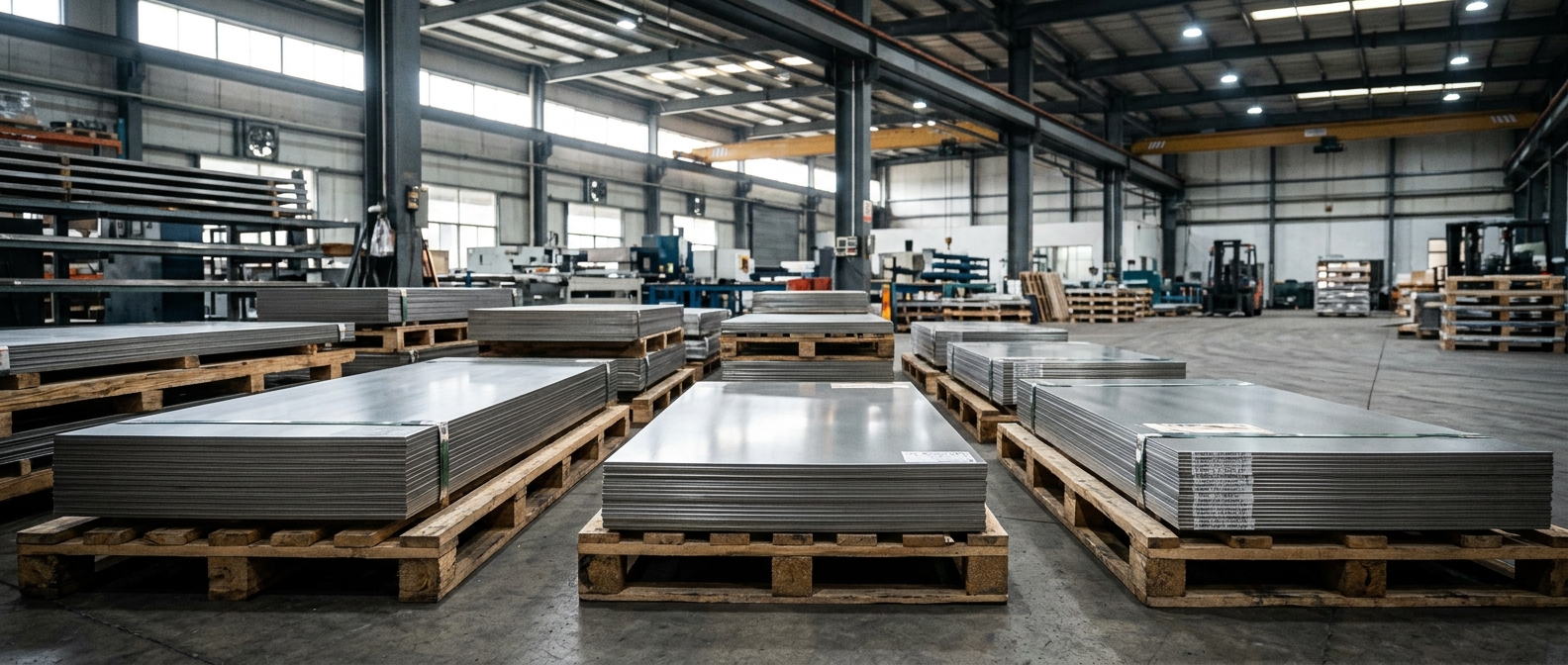
Parent category — sheet stock is the starting material for pressed heat exchanger plates.
BrowseThe drilled-plate alternative — for shell-and-tube rather than plate-and-frame heat exchangers.
Browse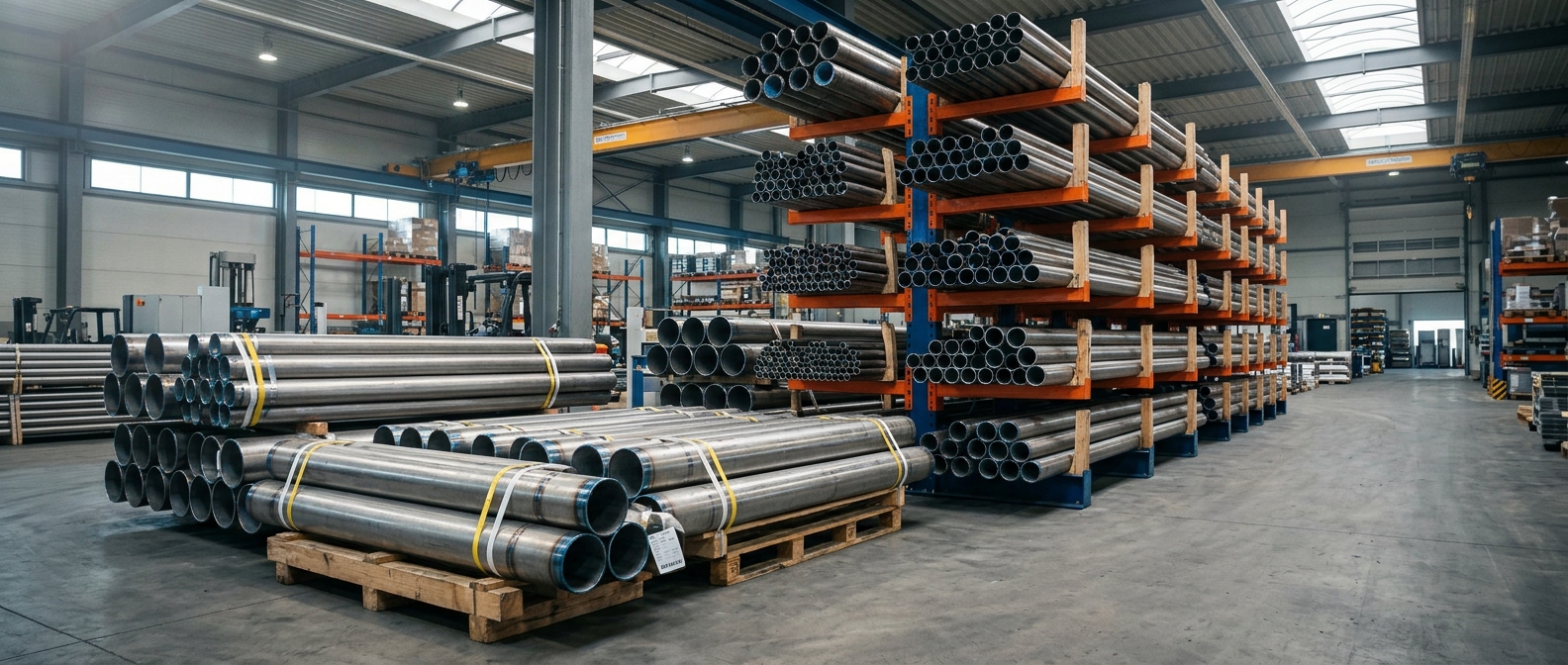
Enhanced heat transfer tube form — complementary to plate-type heat exchange solutions.
Browse