Drawing-based custom titanium forgings and non-standard forged shapes — production coordinated with qualified partners according to customer technical specifications.
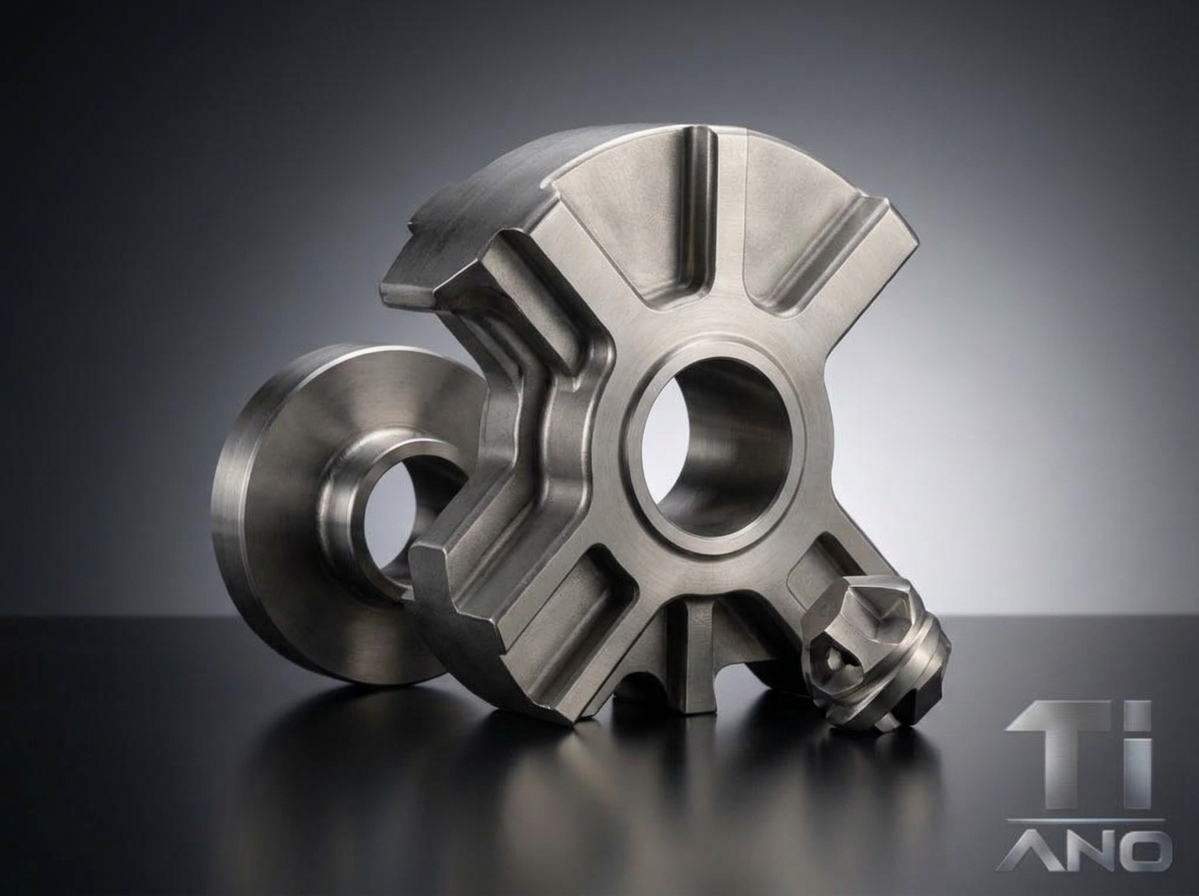
Drawing-based custom titanium forgings and non-standard forged shapes — production coordinated with qualified partners according to customer technical specifications.
Custom titanium forgings cover forged geometries beyond the standard ring, disc and block families — parts with irregular profiles, combined features, flanged ends, hubs, bosses or other non-standard shapes that benefit from the grain-refining and material-yield advantages of hot working. Drawing-based forging is the primary supply mode, where the customer's technical drawing drives the entire production process.
Feinuotai coordinates custom forging production through qualified production partners. We manage the end-to-end supply process: drawing review, material sourcing, forging route selection, production follow-up, heat treatment coordination, machining arrangement and delivery logistics.
Custom titanium forgings fall into several common geometry categories. Each category has different typical forging routes and production considerations.
Round or cylindrical projections from a base plate or disc — common in valve components, gear assemblies and connection hardware. Typically produced by open-die upsetting followed by additional shaping.
Shaft or rod sections with integral flanged ends — eliminates separate flange welding. Produced by upsetting one end of a bar or billet to create the flange feature.
Non-standard geometries with complex profiles, combined features or unusual dimensions — require special forging die design and process planning. Drawing review is essential to confirm feasibility.
Forgings integrating multiple features in one piece — for example a flanged disc with a hub, or a ring with integral boss sections. Reduces downstream welding and assembly requirements.
Custom titanium forgings are produced entirely through coordinated production — not available from stock. Every project begins with drawing and specification review before production planning. Feinuotai manages the full supply chain so that customers work with a single point of contact.
Customer drawings (DWG, STEP, IGS, PDF) and technical specifications reviewed to confirm forging feasibility, process route and material requirements before quotation.
Titanium billet or pre-form sourcing coordinated against the required grade and forging geometry. Material availability confirmed before production scheduling.
Forging production managed through qualified partner facilities — open-die forging, upsetting, ring rolling or other hot-working processes selected per geometry.
Production progress tracking, heat treatment coordination, machining arrangement, material test report compilation and international shipping logistics managed per order.
Drawing-based forging is the core supply model for custom titanium forgings. The customer's technical drawing defines the forging geometry, machining allowances, material requirements and any applicable standards. Our engineering team reviews the drawing and proposes the appropriate forging route, starting billet size, and machining strategy before production begins.
Please include the following when submitting a custom forging inquiry: drawing file (STEP, IGES, DWG or PDF), required titanium grade, quantity, applicable standard or code, end-use application and any special inspection or documentation requirements.
Production completion timeframe — does not include international shipping.
The typical production completion timeframe for custom titanium forging orders is approximately 5–10 days, subject to material availability, forging complexity, technical requirements and production partner schedules. Actual lead time will be confirmed for each order during drawing review.
Production completion time refers to the forging production stage only. International shipping, customs clearance and customer receiving time are not included.
Grade feasibility and supply are evaluated per custom forging project.
Custom forging grade availability depends on the required forging geometry, material form availability, forging route and production partner capability. Not every grade can be forged into every custom shape — some alloy grades have more restrictive forging process windows than commercially pure grades. Grade feasibility is reviewed during the initial drawing assessment.
Not every grade referenced in ASTM B381 is feasible for every custom forging. Please specify your required titanium grade when submitting an inquiry.
Custom titanium forgings reference ASTM B381 / B381M as the primary general forging standard. Additional or alternative specifications may apply depending on the custom forging's intended end-use, industry requirements or customer-specified standards. Each custom project is reviewed against the drawing, grade, geometry and specification requirements to confirm applicable documentation and inspection criteria.
Specialized industry standards (for example aerospace specifications, medical implant standards, marine specifications or pressure-vessel codes) are not standard supply documentation and would require individual review of applicability, documentation scope and supply feasibility before quotation.
Turning, milling, drilling, boring and threading arranged through partner workshops — quoted separately per scope.
Annealing, solution treatment or stress relief coordinated per order — subject to grade and specification requirements.
Additional cutting, facing or end preparation requirements reviewed per order.
Material test reports, production records and inspection documentation coordinated per order.
Depending on the geometry, open-die forging, upsetting, ring rolling or other hot-working processes are selected. Some very complex shapes may require multiple forging stages or preform operations. Feasibility is confirmed during drawing review.
No — custom titanium forgings are produced entirely through coordinated production based on customer drawings. They are not standard stock items. Each project begins with drawing review and production planning.
STEP, IGES, DWG, DXF and PDF drawing formats are all accepted. STEP and IGES are preferred for complex 3D geometry review. Please also specify your required grade, quantity, applicable standard and end-use application.
Send your forging drawing (STEP, IGES, DWG or PDF) along with grade, quantity and any applicable standard or specification — we will review feasibility, confirm production route and lead time, and provide a tailored quotation.
Helpful details: Forging Drawing, Grade, Quantity, Applicable Standard, End-Use Application
Send Inquiry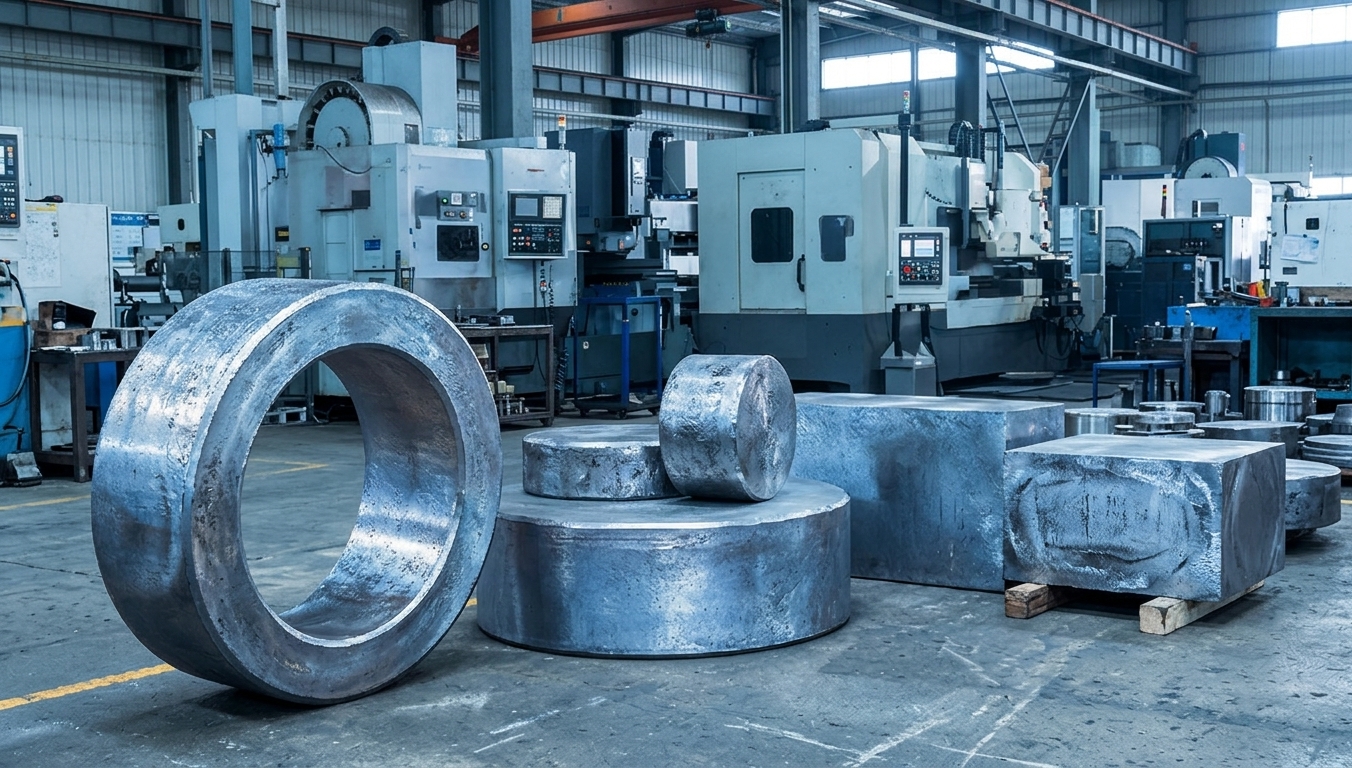
The parent category covering stock and custom forging supply.
Browse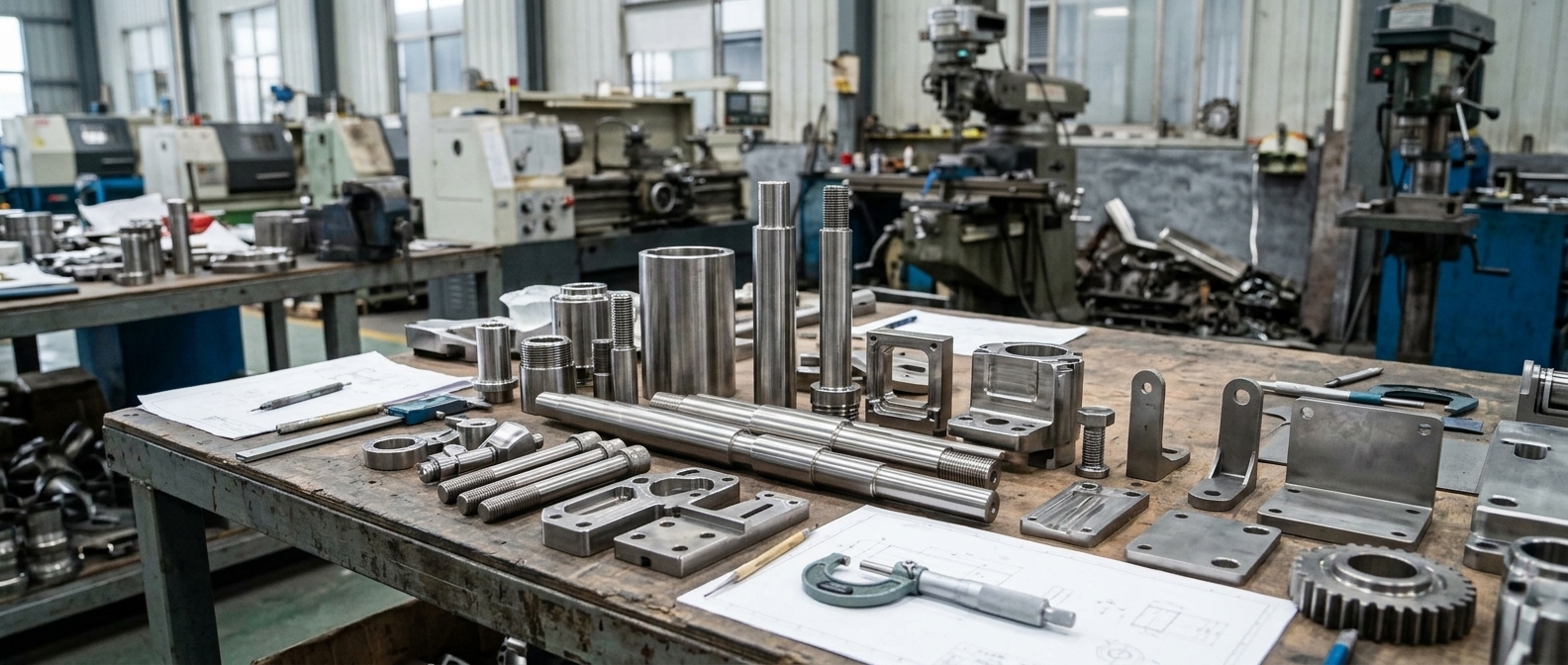
Finish-machined titanium components — complements custom forgings for one-stop supply.
BrowseStock ring forgings for standard hollow cylindrical requirements.
BrowseStock block and billet forgings for prismatic component starting stock.
Browse