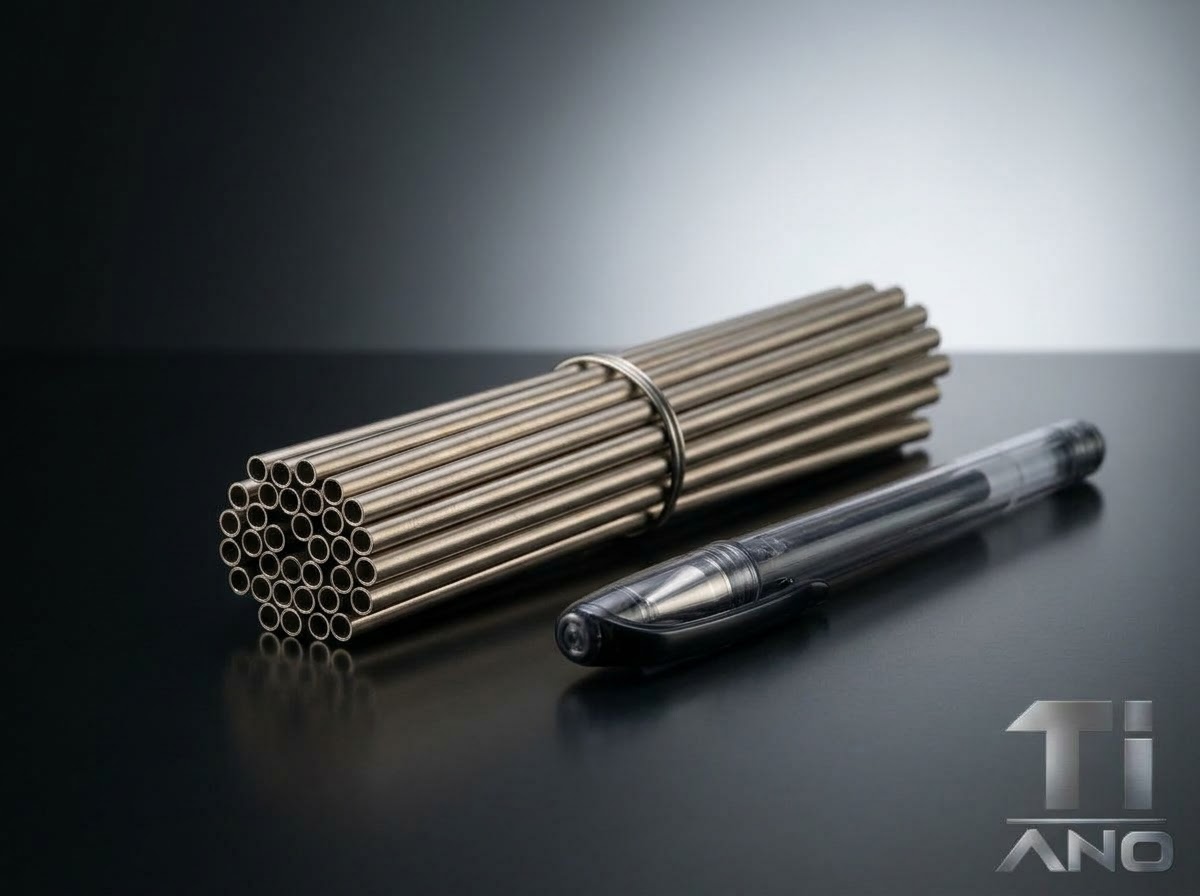
Fine-diameter precision-drawn titanium tubing for analytical instruments, sensing systems and specialty process applications where tight tolerances are critical.
| Parameter | Standard / Industry Reference Range | Custom Supply Range |
|---|---|---|
| Outer Diameter (OD) | 3 – 10 mm | Custom OD per drawing within feasible precision-drawing range |
| Inner Diameter (ID) or Wall Thickness | Confirmed against each specific order | To Be Confirmed Against Product Requirements |
| Length | Confirmed against each specific order | Custom lengths per application |
| Tolerance Class | Confirmed against each specific order | Tight tolerance classes available; confirmed per inquiry |
Grade 1 (CP Ti) and Grade 2 (CP Ti) capillary tubes in common diameters may be available from stock. Availability depends on the specific OD and tolerance class.
Grade 5 (Ti-6Al-4V) and other titanium or titanium alloy grades. Capillary tube production feasibility for alloy grades depends on the drawing properties of the specific material and the required diameter and tolerance.
Titanium capillary tubes with outer diameters in the 3 – 10 mm range are precision-drawn tubular products used primarily in analytical, instrumentation and specialty process applications. These products are not directly covered by the standard seamless or welded round tube specifications (ASTM B338 / B337), which apply to larger-diameter round tubes intended for heat exchanger and process piping service.
For capillary tubes, applicable requirements are typically agreed against the specific product requirement drawing, including tolerance class, wall thickness uniformity, surface finish and inspection criteria. Applicable test standards (for example tensile testing, chemical composition, dimensional inspection) are selected based on the order specification.
Small-bore titanium tubing for chromatography systems, mass spectrometry sample introduction lines and spectroscopy equipment where corrosion resistance and inertness are required.
Fine-diameter tubing for pressure sensing, fluid distribution and sample transfer in industrial instrumentation and process control systems.
Custom capillary configurations for specialized process loops, electrochemical cells, lab reactors and research equipment.
Titanium capillary tubing for biocompatible lab equipment, fluid handling systems and research apparatus where titanium corrosion resistance is critical.
No. ASTM B338 and B337 are standard specifications for seamless and welded round titanium tubes intended for heat exchanger and process piping service. These standards are designed for larger-diameter round tubes and do not directly cover precision-drawn capillary products in the 3 – 10 mm OD range. Capillary tube requirements are typically agreed against the specific product drawing and order specification.
Supply feasibility for a specific capillary tube depends on four factors: the required outer diameter, the required wall thickness (or inner diameter), the grade, and the tolerance class. Very tight tolerances, very small wall thicknesses and certain alloy grades can each limit the drawing feasibility. Every order is reviewed against these parameters before quotation.
Grade 1 (commercially pure titanium) and Grade 2 are the most common capillary tube grades and are produced with standard drawing processes. Grade 5 (Ti-6Al-4V) and other alloy grades require additional technical review to confirm drawing feasibility and availability.
Tolerance capabilities depend on the OD, wall thickness and grade. Tighter tolerances generally require more drawing passes and more refined tooling, which affects lead time and price. Required tolerance class should be specified in the inquiry so feasibility and cost can be confirmed.
To receive an accurate quotation, please provide as many of the following details as possible: outer diameter, inner diameter (or wall thickness), tolerance class, grade, required length, quantity and intended application. If you have a drawing or specification sheet showing the capillary tube dimensions and tolerances, please share it with our sales team.
Helpful details: OD, ID or Wall Thickness, Tolerance Class, Grade, Length, Quantity, Application, Drawing / Specification
Send Inquiry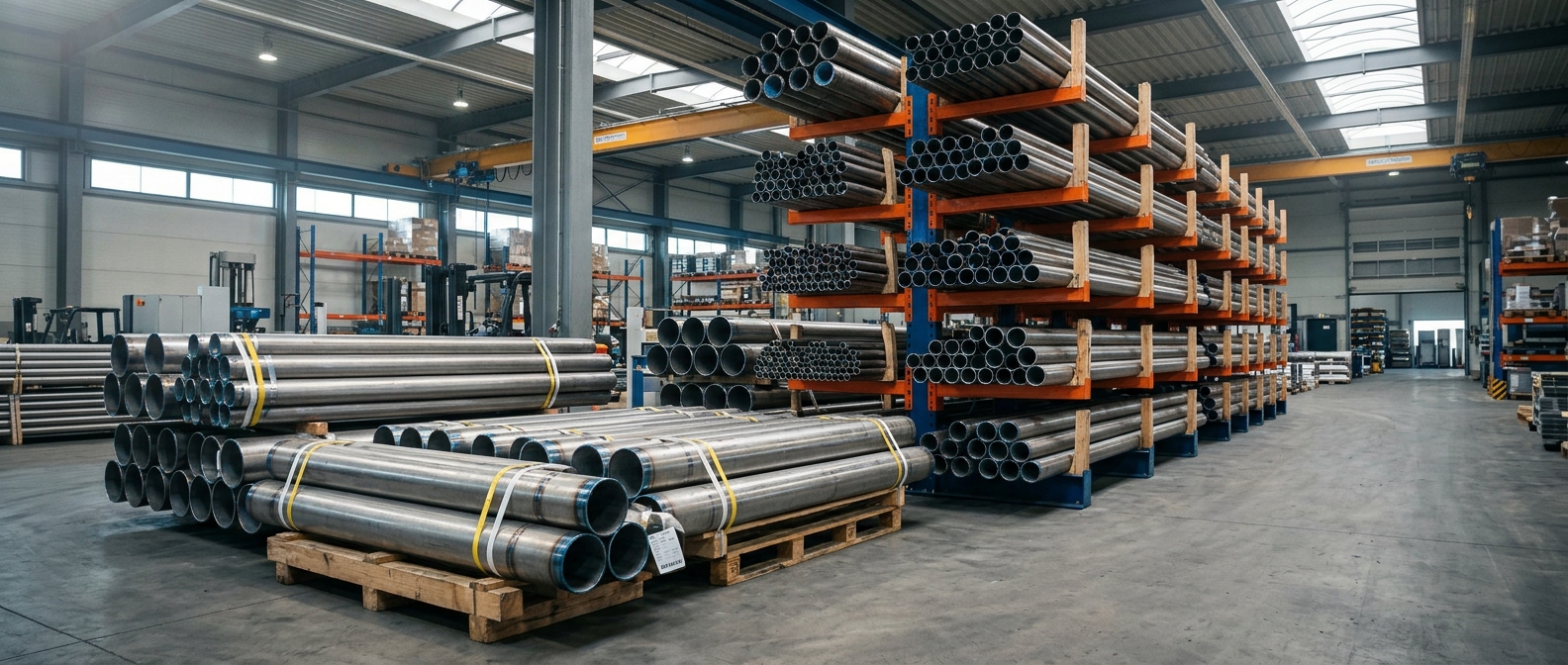
Larger-diameter seamless tube alternative for instrument piping.
Browse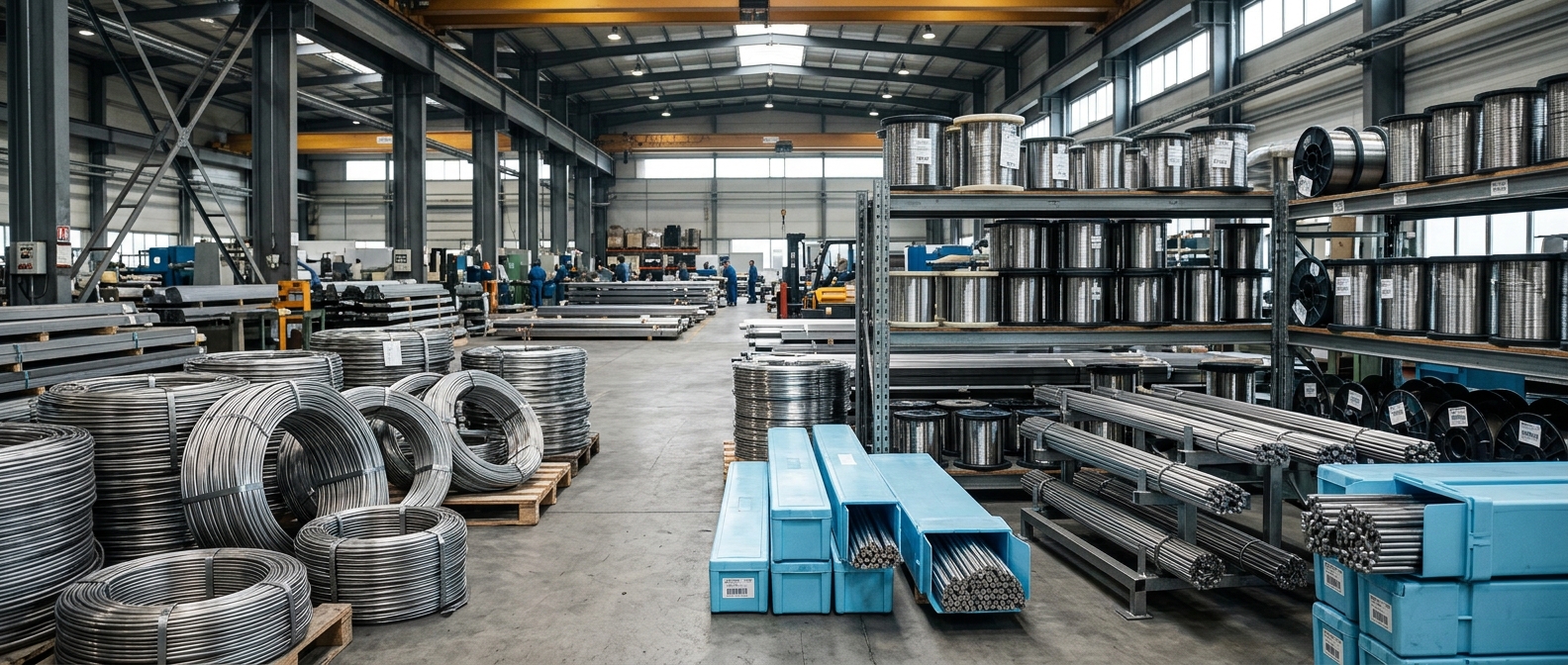
Fine titanium wire feedstock -- different product form but related for precision drawing.
BrowseParent category covering all titanium tubular products.
Browse